
Today
8MB
Latest version
Android 5.0+
Description
HM77 App Review 2026 – Android App Information, Version 4.1.0, Security, Privacy & Complete Guide
Introduction
TheHM77 App is a comprehensive guide for Android users who want to understand an unfamiliar mobile application before trusting it with their device or personal information. With new applications appearing on third-party websites every day, it is important to evaluate an app’s developer, technical details, privacy practices, and security information before making a decision.
The name HM77 App may appear in online listings describing mobile entertainment or app-based services. However, a name alone does not establish which application is authentic, who operates it, or whether its advertised features have been independently verified. Readers should carefully distinguish between information supplied by a website and facts supported by reliable evidence.
This guide also discusses version 4.1.0, the version number included in the supplied title. That number should be treated as a detail provided for this article, not as independently confirmed evidence of the application’s latest release. A reliable version assessment requires a trustworthy source, publication date, and confirmation that the package corresponds to the intended developer.
Throughout this article, the focus remains on Android compatibility, application security, data privacy, technical verification, and responsible online behavior. These considerations are useful when evaluating the HM77 App or any other unfamiliar Android application.
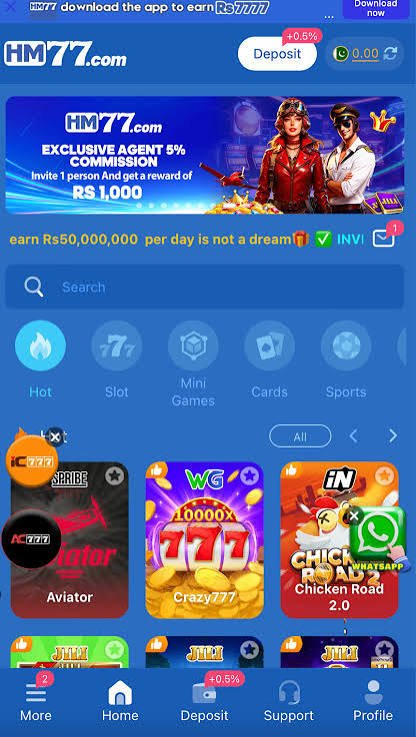
Table of Contents
- Introduction toHM77 App
- Understanding Version 4.1.0
- Why App Verification Matters
- Android App Compatibility
- Understanding APK Files
- Privacy and Data Protection
- App Permissions Explained
- Identifying Misleading Claims
- Common Android Security Risks
- Safe Mobile App Evaluation
- Device Protection and Troubleshooting
- Responsible Online Entertainment
- Advantages of a Security-Focused Review
- Frequently Asked Questions
- Final Verdict
1. Introduction to HM77 App
HM77 App is an application name that may be encountered through third-party online listings. Before relying on a listing, users should establish whether it refers to an identifiable application with a verifiable developer and consistent technical information.
Mobile application listings commonly include a name, version number, screenshots, description, compatibility requirements, and other details. These elements can help readers understand how a product is presented, but they do not independently establish authenticity or safety.
A professional review should answer several important questions:
- Who developed the application?
- Where is the application officially distributed?
- What features are documented by a reliable source?
- What personal information does it collect?
- Does it request permissions that are appropriate for its purpose?
- Is its privacy policy clear and accessible?
- Are its version details consistent across trustworthy sources?
If these questions cannot be answered, the available information should be described as unverified.
Why users research applications before installing them
People research mobile applications for different reasons. They may want to understand device compatibility, compare technical requirements, evaluate privacy policies, or determine whether an application is suitable for their needs.
Research is particularly important when an application is distributed through a website that users do not recognize. A professional description should not encourage readers to trust a product simply because it has an attractive interface or a familiar-sounding name.
The best starting point is to verify the developer and source before considering other details.
2. Understanding Version 4.1.0
The version number 4.1.0 is included in the suppliedHM77 App article title. However, the number alone does not confirm that this is the application’s latest version or that it represents an official release.
Software version numbers are used by developers to distinguish releases. Depending on the developer’s versioning system, a new release may include bug fixes, compatibility changes, interface updates, security improvements, or new functionality.
These possibilities should not be presented as confirmed HM77 App features without reliable release notes.
What does a version number tell users?
A version number can help identify a particular software release, but its meaning depends on the developer’s release process.
For example, a developer might use the following structure:
- Major version: A substantial change to the application.
- Minor version: Additional functionality or notable improvements.
- Patch version: Smaller corrections or maintenance changes.
Not every developer follows this exact convention. Consequently, version 4.1.0 should not automatically be interpreted as containing specific improvements.
How to assess version information
A reliable technical assessment should check:
- Whether the developer identifies the release as version 4.1.0.
- Whether the publication date is available.
- Whether release notes explain the changes.
- Whether the package identifier matches the intended application.
- Whether the source provides a credible way to verify the file’s integrity.
If these details are missing, the most accurate description is that version 4.1.0 has not been independently confirmed.
3. Why App Verification Matters
The availability of a mobile application online does not automatically mean that it is legitimate, secure, or supported by a trustworthy organization.
Some third-party websites publish incomplete descriptions or information that has not been checked independently. Others may use similar names, copied screenshots, or outdated details.
These issues can make it difficult to distinguish an authentic application from an unrelated or modified package.
Verify the developer
Look for a consistent developer name, an official website, transparent contact information, and a credible privacy policy. Where possible, confirm that the same organization is identified across the relevant sources.
A logo or company name displayed on a website is not sufficient evidence on its own.
Check independent information
Independent technical assessments can provide useful context, especially when they explain how an application was examined and what limitations apply to the findings.
Be cautious about reviews that offer only broad statements such as “100% secure” or “fully verified” without explaining the evidence.
Evaluate conflicting information
If two websites provide different version numbers, descriptions, or technical specifications, do not assume that the newest-looking listing is correct.
Record the discrepancy and seek confirmation from a reliable source. When confirmation is unavailable, acknowledge that limitation in the review.
4. Android App Compatibility
Android compatibility depends on several technical factors, including the operating-system version, application requirements, device architecture, and the way the software was developed.
The HM77 app name and the supplied version number are not enough to establish which Android devices are supported.
Minimum Android requirements
Developers may specify a minimum Android version and a range of supported devices. These details help users understand whether an application can run on their phones.
A third-party website may display compatibility information, but it should be checked against a trustworthy listing or documentation from the developer.
Device performance
Application performance can vary according to:
- Available memory.
- Processor capabilities.
- Available storage.
- Android version.
- Background applications.
- Network reliability.
- Software optimization.
A phone that meets the minimum requirements may still experience slow performance if the application is poorly optimized or the device has limited resources.
Why compatibility does not prove safety
An application can install and operate normally while still having privacy weaknesses or security problems. Conversely, an application may fail to install because it is incompatible with the device rather than because it is malicious.
Installation success should therefore not be treated as a security certification.

5. Understanding APK Files
APK stands for Android Package Kit. It is a file format used to package Android applications for installation.
APK files are used by developers and software distribution services. The format itself is not dangerous, but the source and integrity of a particular file matter.
Official and third-party distribution
Applications may be distributed through recognized app stores or through other channels. A trustworthy source can provide useful information about the developer, available updates, and application permissions.
Third-party sources vary in quality. Some provide legitimate software, while others may host outdated, modified, misleading, or harmful files.
General risks associated with unfamiliar APK files
Users should be aware of several possible problems:
- The package may not come from the claimed developer.
- The file may have been modified.
- The application may request unnecessary permissions.
- The website may use deceptive advertisements.
- The listed version may be outdated.
- The application may lack adequate security updates.
- The privacy policy may not accurately describe the software.
These are general risks of unfamiliar APK distribution, not proof that a particularHM77 App file contains malware.
Why file names are insufficient
A file name containing an application name and version number does not prove authenticity. Names, logos, and screenshots can be copied.
Technical verification requires stronger evidence about the file’s origin and integrity.
For security-sensitive applications, prefer recognized distribution channels and avoid files whose authenticity cannot be established.
6. Privacy and Data Protection
Privacy is an important part of evaluating any mobile application. An app may handle personal information such as an email address, phone number, device information, location, photographs, or usage data.
The amount and type of information collected depend on the application’s actual functionality and implementation. Without reliable documentation, specific claims aboutHM77 App’s data practices cannot be confirmed.
What a privacy policy should explain
A useful privacy policy should identify:
- The organization responsible for the service.
- The categories of data collected.
- The purposes for collecting information.
- Whether data is shared with third parties.
- How long information is retained.
- How users can request access or deletion.
- How security incidents are handled.
- How users can contact the responsible organization.
A policy that is missing, vague, or inconsistent with the app’s behavior is a reason for caution.
Data minimization
Data minimization means collecting and sharing only the information necessary for a legitimate purpose.
Users can apply this principle by limiting optional permissions, avoiding unnecessary profile details, and declining requests for sensitive information that cannot be justified.
Account privacy
If an application offers an account, users should understand its account-management and deletion procedures before submitting personal details.
They should also avoid reusing passwords from email, banking, or other important accounts.
7. App Permissions Explained
Android permissions determine whether an application can access certain device features or information. Reviewing these permissions helps users understand the application’s potential access to personal data.
The appropriate permissions depend on the documented functions of the app.
Contacts permission
Contacts access can expose information about people stored in a user’s address book. An application should have a clear reason for requesting it.
Location permission
Location information can reveal where a device is being used. Users should check whether location access is necessary and whether access can be restricted to the period when a feature is in use.
Camera and microphone
Camera and microphone permissions should correspond to features that genuinely need them, such as taking photographs or recording audio.
Photos and file access
Applications may request access to photographs or other files. Review the scope of access and use more limited controls where available.
SMS and notifications
SMS access can expose private messages and, in some cases, verification codes. Notification access can also reveal information that users might consider sensitive.
Accessibility services
Accessibility services can have powerful capabilities. Do not grant accessibility access to an unfamiliar application without understanding exactly why it needs it.
Reviewing permissions on Android
The precise menu names depend on the Android version and device manufacturer. In general, users can open Settings, select Apps, choose the relevant application, and review its Permissions section.
If a permission is not necessary for a feature you want to use, consider denying it. If an app refuses to function without access that appears excessive, reconsider whether it is appropriate to use the app.
8. Identifying Misleading Claims
Online app listings sometimes use promotional statements that are difficult to verify. A professional review should separate evidence from advertising language.
Guaranteed benefits
Claims about guaranteed outcomes should be examined carefully. Promotional wording is not proof that a benefit will occur.
Official or verified status
An application should not be described as official or verified unless credible evidence establishes that status.
Security guarantees
Statements that an app is completely safe cannot replace technical evidence. Security depends on software integrity, data practices, update procedures, and other factors.
User ratings and download figures
Ratings and download counts can provide context, but they do not independently prove an application’s legitimacy or security.
Readers should check where these figures originated, when they were collected, and whether the source is credible.
Testimonials
Testimonials may reflect individual experiences, but they cannot establish that every user will have the same experience. Anonymous or unverifiable testimonials should not be treated as conclusive evidence.
Inconsistent descriptions
If different websites describe the same application differently, the inconsistency should be acknowledged rather than hidden.
A careful review is more valuable when it explains what is known, what remains uncertain, and what evidence would be needed to reach a stronger conclusion.
9. Common Android Security Risks
Mobile applications can present security risks when their software, distribution, or data practices are not adequately managed.
Fake applications
A fake application may copy the name or visual appearance of another product. Users should verify the developer and source instead of relying on branding alone.
Modified packages
A modified APK may contain changes that were not made by the original developer. These changes can affect the app’s behavior, security, or privacy.
Credential theft
Some harmful apps or websites attempt to collect passwords, verification codes, or other confidential information.
Users should never disclose authentication codes to someone who contacts them unexpectedly.
Deceptive download buttons
Some websites place advertisements near buttons that appear to download an application. Clicking these elements may lead to unrelated pages or unwanted downloads.
Outdated software
Applications that no longer receive security updates may retain known vulnerabilities or become incompatible with current Android releases.
Excessive access
An app requesting broad access to personal information without a clear functional reason deserves additional scrutiny.
Weak account protection
If an application handles accounts, users should consider the quality of its authentication, password management, and account-recovery practices. These details should be documented rather than assumed.
10. Safe Mobile App Evaluation
A systematic evaluation is more reliable than deciding whether an application looks trustworthy.
Step 1: Identify the application
Confirm the app’s name, developer, package identity, and intended purpose. Similar names may refer to different products.
Step 2: Confirm the distribution source
Determine whether the application is available from a recognized source and whether the source can establish its authenticity.
Step 3: Review the privacy policy
Look for clear explanations of data collection, sharing, retention, and deletion.
Step 4: Examine permissions
Compare requested permissions with the documented functions of the app.
Step 5: Check version information
Look for reliable release notes, publication dates, and a consistent version history.
Step 6: Examine independent evidence
Look for credible security reports and independent assessments. Understand the scope and limitations of each report.
Step 7: Assess transparency
Determine whether the responsible organization provides understandable terms, support information, and a way to report concerns.
Step 8: Document uncertainties
If the source, developer, or security status cannot be verified, state that clearly.
Step 9: Reassess periodically
An application’s ownership, privacy policy, and technical implementation can change. A review should indicate when its information was checked and should be updated when reliable new evidence becomes available.
11. Device Protection and Troubleshooting
Good device-maintenance practices can reduce common Android security and performance problems.
Keep Android updated
Install operating-system and security updates when they are available for your device. Updates can address known vulnerabilities and improve compatibility.
Maintain security protections
Keep supported device security features enabled. Pay attention to warnings about potentially harmful applications, and do not disable protections simply because an unfamiliar website requests it.
Review installed applications
Periodically inspect the apps installed on your device. Remove applications you no longer need, particularly those whose developer or purpose cannot be verified.
Monitor storage and performance
Slow performance can have many causes, including limited storage, background activity, outdated software, or a poorly optimized app. It does not automatically indicate malware.
Respond to unexpected behavior
If an unfamiliar application behaves unexpectedly, stop using it while you investigate. Review its permissions, check device-security alerts, and consider uninstalling it if its legitimacy cannot be established.
If you suspect that an account has been compromised, use a trusted device to change the relevant password and review active sessions. Contact the relevant service through a verified support channel if necessary.
12. Responsible Online Entertainment
Online entertainment services vary in their features, business models, legal status, and risks. Users should not assume that an application is appropriate simply because it is advertised widely.
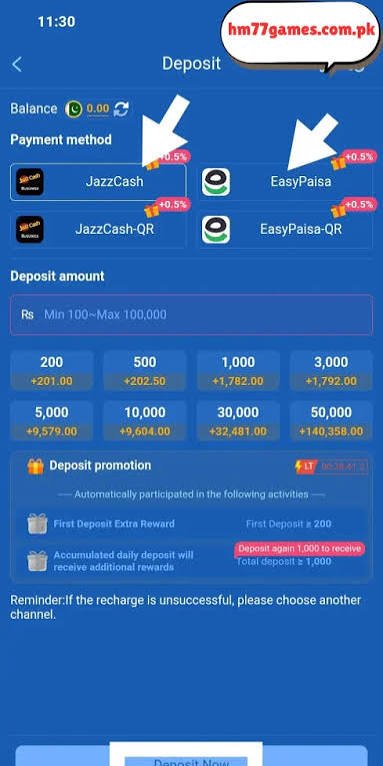
Some platforms make claims about rewards or financial benefits. Such claims require independent evidence and clear terms. Advertising, screenshots, and testimonials alone do not prove that a service is reliable or that a financial outcome is guaranteed.
Evaluate the business model
A transparent service should explain its purpose, operator, terms, privacy practices, and relevant restrictions.
If these details are missing or contradictory, users should avoid making assumptions about the service’s reliability.
Consider legal and age restrictions
Certain online entertainment activities may be restricted by age or local law. Users should follow applicable laws and age requirements and avoid services that are not appropriate for them.
Protect financial privacy
Never provide banking passwords, one-time verification codes, or other sensitive credentials to an unverified application or website.
Financial claims should be checked against reliable evidence rather than accepted on the basis of promotional messages.
13. Advantages of a Security-Focused Review
A neutral technical review offers several benefits to readers and publishers.
Better-informed decisions
Readers can assess an application’s available evidence before deciding whether to trust it.
Improved privacy awareness
Permission and data-collection explanations help users understand what information may be exposed.
More accurate technical content
Distinguishing confirmed information from unverified claims reduces the chance of publishing incorrect version details or unsupported specifications.
Stronger editorial credibility
An article that acknowledges limitations is more credible than one that makes broad guarantees without evidence.
Better long-term usefulness
Security guidance remains relevant even when application names, versions, and website descriptions change.
14. Frequently Asked Questions
What is HM77 App?
HM77 App is an application name found in online references. Its exact identity, developer, and current technical details should be established through reliable sources before specific claims are made about it.
Is HM77HM77 App version 4.1.0 confirmed as the latest version?
The version number was supplied in the requested title, but it has not been independently confirmed here as the latest official release.
IsHM77 App verified as safe?
Its safety cannot be established from the application name or a promotional description alone. A reliable assessment would require evidence about the specific package, developer, permissions, and security practices.
Does an APK file always contain malware?
No. APK is an Android package format. The important considerations are the file’s source, authenticity, integrity, and behavior.
Do positive reviews prove that an app is legitimate?
No. Reviews can provide context but cannot independently establish software integrity, legal compliance, privacy protection, or reliable operation.
Why are app permissions important?
Permissions determine which device features or information an application can access. Reviewing them helps users identify access requests that appear unnecessary for the app’s purpose.
Can a compatible app still have security problems?
Yes. Compatibility and security are different issues. An application can work on a device while still having privacy weaknesses or other vulnerabilities.
How can Android users improve their security?
Keep the operating system updated, use trusted distribution channels, review permissions, maintain security protections, and avoid sharing confidential credentials with unverified services.
Should users trust claims about financial benefits?
Not without credible, independent evidence and clear terms. Promotional statements and testimonials are not sufficient proof of reliable financial outcomes.
Is this an official HM77 App guide?
No. This is a general, independent safety-oriented article. It does not represent the application’s developer and does not certify or endorse any service using theHM77 App name.
15. Final Verdict
The HM77 App Review 2026 highlights the importance of verifying application identity, technical information, privacy practices, and security before trusting an unfamiliar Android service.
The supplied version number, 4.1.0, should not be treated as a confirmed latest release without reliable supporting evidence. Likewise, an app’s name, appearance, ratings, or promotional statements do not independently establish that it is authentic or safe.
Android users should prioritize transparent developer information, reasonable permissions, clear privacy documentation, credible independent assessments, and up-to-date device security.
Until the application’s identity and relevant technical details can be independently confirmed, its security and reliability should be regarded as unverified.
Disclaimer: This article is provided for general informational and digital-safety purposes. It does not certify or endorse HM77 App confirm version 4.1.0 as its current release, guarantee any financial outcome, or establish the legal status of any service using that name.