
Today
8MB
Latest version
Android 5.0+
730K+
Description
EK77 App Review 2026 – Android Security, Privacy, APK Risks & User Safety Guide
Introduction
The EK77 App Review 2026 provides an overview of important security, privacy, and reliability factors that Android users should consider before trusting an unfamiliar mobile application. Many third-party websites publish information about newly released apps, including their features, compatibility, ratings, and performance. However, information displayed on these websites is not always independently verified.
Before trusting any app, users should understand where it comes from, what information it collects, what permissions it requests, and whether its developer can be identified. These checks are especially important for applications distributed outside the official Google Play Store.
In Pakistan, Android users often search online for new applications and mobile entertainment platforms. During this process, they may encounter websites that advertise attractive rewards, special offers, or financial benefits. Such claims should be treated carefully unless reliable, independent evidence supports them.
This guide explains how to evaluate an unfamiliar app, recognize potentially misleading claims, protect personal information, and make safer decisions when browsing third-party APK websites.

Table of Contents
- What Is the EK77 App?
- Why Independent Verification Matters
- Understanding Third-Party APK Websites
- Android Compatibility and Device Security
- App Permissions and Privacy
- How to Recognize Misleading Claims
- Common APK Security Risks
- Protecting Your Personal Information
- Financial Safety and Online Entertainment
- How to Review an App Responsibly
- Android Security Checklist
- Frequently Asked Questions
- Final Verdict
1. What Is the EK77 App?
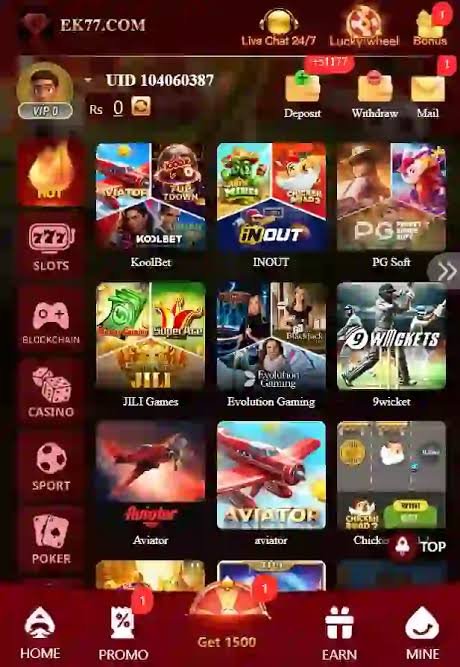
EK77 is a name used by third-party websites describing a mobile application or online entertainment platform. Public listings may describe the service differently, so it is important not to assume that every website using the same name represents the same developer or official product.
A website’s description is not proof that an application is genuine, secure, officially licensed, or suitable for every user. Before accepting information about an unfamiliar app, readers should distinguish between independently verified facts and statements written for promotional purposes.
Important details to verify include:
- The legal identity of the developer.
- The application’s official distribution source.
- The privacy policy and terms of service.
- The permissions requested by the Android application.
- The availability of independent security assessments.
- The process for reporting problems or requesting account deletion.
If these details cannot be confirmed, the app’s reliability should be considered uncertain.
2. Why Independent Verification Matters
Mobile applications can look professional while providing limited information about their developers or security practices. Attractive graphics, a modern interface, testimonials, and high ratings do not independently establish that an app is trustworthy.
Third-party listings associated with the EK77 app name have presented inconsistent information. Differences in descriptions, technical details, and promotional claims make independent verification particularly important.
Check the source of every claim
When reviewing an app, separate information into three categories:
Verified information: Details confirmed through a trustworthy, independent source.
Developer-provided information: Statements published by the app’s developer but not independently confirmed.
Unverified claims: Promises or statistics that lack reliable supporting evidence.
This distinction helps readers avoid repeating inaccurate information in reviews, blogs, or social media posts.
Why ratings may not be enough
A displayed rating does not necessarily establish an application’s security or legitimacy. Ratings can be incomplete, outdated, manipulated, or collected from users who have not independently verified the service.
A responsible review should discuss the available evidence and clearly acknowledge any information that remains unknown.
3. Understanding Third-Party APK Websites
An APK is the Android application package format used to distribute and install Android apps. APK files can be distributed through official channels and other sources, but the distribution method alone does not guarantee that a file is safe.
Third-party APK websites may publish application descriptions, screenshots, version information, and compatibility details. The accuracy and security of these materials vary from one website to another.
Potential benefits of APK information websites
Such websites can help readers understand general application requirements and discover technical information. However, readers should independently confirm important details rather than relying on a single listing.
Potential risks
Unfamiliar APK websites may contain:
- Incorrect application descriptions.
- Outdated or misleading version information.
- Modified application packages.
- Fake download buttons or deceptive advertisements.
- Incomplete privacy information.
- Files that request excessive permissions.
- Unsupported claims about rewards or financial benefits.
These are general risks associated with third-party APK distribution. They do not establish that every file associated with a particular app name contains malware.
Why the original source matters
An application obtained from an unknown website may not be identical to the version described on another page. File names, logos, and screenshots can be copied, so they should not be treated as proof of authenticity.
For security-sensitive applications, use trusted distribution channels and avoid files whose developer, origin, or integrity cannot be established.
4. Android Compatibility and Device Security
Compatibility is one of the technical details commonly included in an Android app review. An application’s minimum Android version, supported devices, storage requirements, and update history can affect whether it works correctly.
However, compatibility does not prove safety.
An application might run successfully on a phone while still collecting unnecessary data or containing security weaknesses. Similarly, a small file size does not mean that an application is harmless.
General compatibility checks
Before installing any unfamiliar application, review the following information:
- Android version: Confirm that the app supports the operating system on your device.
- Developer identity: Look for a consistent, verifiable developer name.
- Update history: Check whether security and compatibility updates are documented.
- Device requirements: Review the application’s stated technical requirements.
- Privacy documentation: Determine whether data collection and retention are explained.
- Security reputation: Look for credible, independent assessments.
Do not assume that a third-party website’s version number or compatibility statement is accurate unless it can be verified.
Keep Android protected
Install operating-system and security updates when available. Keep Google Play Protect enabled where supported, and pay attention to Android’s warnings about potentially harmful applications.
Avoid disabling security protections simply because a website or application tells you to do so.
5. App Permissions and Privacy
App permissions determine which device features or information an application can access. Some permissions are necessary for an app’s core purpose, while others may be difficult to justify.
For example, a basic calculator ordinarily has little reason to access contacts or SMS messages. A communication app may reasonably need microphone access when a user starts a voice call.
The important question is whether each permission is necessary for the advertised functionality.
Permissions worth reviewing carefully
Contacts: Consider whether the application genuinely needs access to your address book.
SMS: Access to messages can expose private information and, in some circumstances, verification codes.
Location: Check whether location access is necessary and whether it can be limited while the app is in use.
Microphone and camera: These permissions should correspond to features you intentionally use.
Files and photos: Review whether the app requests broader access than its features require.
Accessibility access: Accessibility services can have powerful capabilities. Do not grant this access to an unfamiliar app without a clear, legitimate reason.
Permission names and available controls can vary by Android version. Review permissions through your phone’s Settings app.
Read the privacy policy
A useful privacy policy should explain:
- What information is collected.
- Why the information is collected.
- Whether data is shared with other organizations.
- How long information is retained.
- How users can request deletion.
- How the developer handles security incidents.
A missing, vague, or contradictory privacy policy is a reason for caution. A privacy policy alone, however, does not prove that an application follows its stated practices.
6. How to Recognize Misleading Claims
Some app listings use marketing language that sounds convincing but provides little evidence. A professional review should not repeat these statements as established facts.
Examples of claims requiring verification
“Guaranteed benefits”
No promotional statement should be treated as a guarantee without clear, independently verified terms.
“Completely secure”
Security cannot be established by a slogan. It requires evidence about software integrity, data handling, vulnerability management, and other relevant controls.
“Verified by experts”
Look for the identity of the reviewer, the scope of the assessment, the date of publication, and the actual findings.
“Thousands of satisfied users”
A numerical claim should have a credible source and a clear method of measurement.
“Official application”
Check whether the developer and distribution channel are genuinely connected to the service being described.
Conflicting information is a warning sign
If multiple websites provide different version numbers, technical specifications, or descriptions, do not simply choose the most appealing version.
Instead, record the discrepancy and state that the information could not be independently confirmed. This is more accurate and useful than publishing an unsupported claim.
7. Common APK Security Risks
Not every APK is dangerous, but unfamiliar files can introduce risks that users may not immediately recognize.
Modified applications
A modified package may contain changes that were not made by the original developer. These changes could affect privacy, security, or normal application behavior.
Fake applications
A malicious application may copy the name, logo, or visual design of a legitimate service to create the impression that it is authentic.
Credential theft
Some malicious applications or websites attempt to collect passwords, verification codes, or other sensitive information.
Deceptive advertisements
Websites may display advertisements designed to resemble download buttons, security warnings, or system messages. Clicking the wrong element can lead to unrelated or unsafe destinations.
Excessive permissions
An app that requests access unrelated to its core purpose may expose more information than necessary.
Lack of security updates
An application that no longer receives updates may retain known vulnerabilities or become incompatible with newer Android versions.
These risks can be reduced by using trusted sources, checking permissions, maintaining security updates, and avoiding unfamiliar applications that request sensitive access without a clear reason.

8. Protecting Your Personal Information
Personal information can include names, phone numbers, email addresses, location details, photographs, contact lists, and account credentials.
Before sharing information with an unfamiliar service, consider whether the information is necessary and whether the developer explains how it will be protected.
Use strong, unique passwords
Do not reuse your main email password across multiple applications. If a service offers account security features, review them carefully.
A reputable password manager can help create and maintain unique passwords.
Protect verification codes
Never share one-time passwords or account verification codes with another person simply because a website, message, or support representative requests them.
Limit unnecessary data sharing
Avoid providing identity documents, banking details, or sensitive personal information unless there is a legitimate, independently verified reason and an appropriate legal basis.
Review account and device settings
Periodically review installed applications, account sessions, and permissions. Remove apps you no longer use, and revoke access that is no longer required.
Be careful with public Wi-Fi
When using public networks, avoid entering sensitive information into websites or applications whose authenticity you cannot verify. Use secure connections and keep your device updated.
9. Financial Safety and Online Entertainment
Some online entertainment platforms make statements about rewards, payments, or financial benefits. Such statements require special care because promotional material is not proof that money can be received reliably.
A responsible review should not present uncertain rewards as guaranteed income or suggest that a user can depend on an unfamiliar platform for financial returns.
Questions readers should consider
- Is the operator’s identity independently verifiable?
- Are the terms and conditions clearly documented?
- Is the service legally permitted in the relevant jurisdiction?
- Are the risks and restrictions explained transparently?
- Is there independent evidence supporting financial claims?
- Does the service request sensitive financial information without a clear justification?
If these questions cannot be answered reliably, readers should not assume that the platform is safe or financially dependable.
Protect financial information
Never share payment credentials, banking passwords, or verification codes with an unverified service. Do not rely on screenshots, testimonials, or promotional messages as proof of successful transactions.
For Pakistan-specific legal or financial questions, consult relevant official authorities or a qualified professional rather than relying exclusively on a promotional website.
10. How to Review an App Responsibly
A high-quality app review should help readers make informed decisions without exaggerating benefits or presenting unverified claims as facts.
Step 1: Identify the developer
Look for a consistent developer identity and credible contact information. If the identity cannot be established, say so.
Step 2: Verify the distribution source
Determine whether the application is available through a recognized store or a source that can establish its authenticity.
Step 3: Examine the privacy policy
Assess whether the policy explains collection, use, sharing, retention, and deletion of personal data.
Step 4: Check technical information
Confirm the Android compatibility, version history, and update information through reliable sources.
Step 5: Evaluate permissions
Compare requested permissions with the app’s documented functions.
Step 6: Assess independent evidence
Look for credible security assessments, transparent company information, and reliable user reports. Do not treat anonymous testimonials as conclusive proof.
Step 7: State limitations clearly
If important details are missing, explain what could not be verified. Avoid assigning a definitive security rating without sufficient evidence.
Step 8: Keep the review updated
App information can change over time. A review should distinguish the date of publication from the date on which its technical claims were checked.
11. Android Security Checklist
Use this general checklist when evaluating any unfamiliar Android application.
- The developer’s identity can be verified.
- The distribution source is trustworthy.
- The application’s privacy policy is accessible.
- The requested permissions are reasonable.
- The app’s technical information is consistent.
- Independent security information is available.
- Android and device security protections remain enabled.
- The app does not demand unnecessary sensitive information.
- Its terms and limitations are understandable.
- Claims about benefits are supported by credible evidence.
If several important checks cannot be completed, treat the application as unverified rather than assuming it is safe.
12. Frequently Asked Questions
What is the purpose of this EK77 review?
This review explains how to assess an unfamiliar app’s security, privacy practices, technical information, and reliability. It does not certify the application or confirm claims made by third-party websites.
Is the EK77 app verified as safe?
Its safety cannot be established solely from its name or from promotional listings. A reliable assessment would require trustworthy information about the actual application package, its developer, permissions, and security practices.
Is every third-party APK unsafe?
No. APK is a file format, not a security classification. However, files from unfamiliar sources can carry additional risks because their origin and integrity may be difficult to verify.
Do positive ratings prove that an app is trustworthy?
No. Ratings can provide context, but they do not independently prove software integrity, legal compliance, privacy protection, or financial reliability.
Why should users review app permissions?
Permissions can expose device functions and personal information. Reviewing them helps users determine whether an app is requesting access that is necessary for its purpose.
Can a small APK file still pose security risks?
Yes. File size alone does not establish whether software is safe, genuine, or free of harmful behavior.
What should users do if an application requests unnecessary access?
Avoid granting permissions that cannot be justified. Review the app’s privacy information and consider not using it if its requirements appear excessive or unclear.
How can users improve Android security?
Keep the operating system updated, use trusted distribution channels, maintain security protections, review permissions, and avoid sharing passwords or verification codes.
Should an app’s financial claims be trusted?
Not without credible, independent evidence and clear terms. Marketing statements and user testimonials alone are not sufficient proof of reliable financial outcomes.
Is this review an official EK77 statement?
No. It is an independent, general safety-oriented discussion and should not be interpreted as an endorsement, certification, or official statement from the service.
13. Final Verdict
The most important lesson from this EK77 App Review 2026 is that an application’s name, appearance, ratings, or promotional claims do not establish its trustworthiness.
Third-party listings using the EK77 name contain information that should be independently checked, and inconsistent claims make it difficult to draw reliable conclusions about the application’s identity, security, or functionality.
Android users should prioritize verified sources, transparent privacy practices, reasonable permissions, and credible independent evidence. They should also avoid treating unverified promotional statements as guarantees of safety or financial benefit.
Until the relevant details can be established through reliable evidence, the app’s security and reliability should be regarded as unverified. A cautious, evidence-based approach is the best way to protect personal information, device security, and financial privacy.
Disclaimer: This article is for general informational and digital-safety purposes. It does not certify or endorse EK77, establish its current legal status, or guarantee the safety of any file or service using that name.